
The Best Time of Year to Trim Trees in Oak Park, IL

If you have trees on your property that need attention, you have probably wondered whether the best time of year to trim trees is something you actually need to think about, or whether calling whenever it is convenient is good enough.
The answer matters more than most homeowners expect. Trimming is not a neutral event for a tree. Every cut creates an open wound, and how well the tree closes that wound depends almost entirely on where it is in its growth cycle. Get the timing right and the tree heals quickly, stays protected, and puts its spring energy into strong new growth. Get it wrong and the same cut that was meant to help the tree can leave it exposed to disease, pest damage, and structural problems that compound over time.
In Oak Park and the broader Cook County area, timing carries extra weight. The mature tree canopy here, including a significant number of oaks, comes with specific seasonal restrictions that generic national advice does not cover. The freeze-thaw cycle of the Chicago climate also affects when late winter trimming is actually safe to begin, and the spring disease pressure from oak wilt is a genuine local concern, not a theoretical one.
This blog walks through the trimming calendar season by season so you know exactly when to schedule and why.
Why Timing Matters When You Trim Trees
Every time a tree is trimmed, it has to heal. That healing process works the same way regardless of species: the tree forms callus tissue around the cut, sealing the wound to prevent decay and block entry points for pests and pathogens. How quickly and effectively that process happens depends on the tree’s growth stage at the time of the cut.
When a tree is dormant, wound closure happens efficiently. The tree is not spending energy on anything else, so when spring arrives, its first growth push goes directly toward sealing the cuts. When a tree is actively growing, trimming forces it to split that energy between new leaf and branch development and wound response. The wound stays open longer. The healing is slower and weaker.
That is where the real risk comes in. An open wound on a tree is an invitation. Fungal spores, sap beetles, and wood-boring insects are all drawn to fresh cuts, and the longer a cut stays exposed, the more opportunity there is for something to take hold. The consequences range from common tree problems like fungal disease and pest infestation to structural damage that shortens a tree’s lifespan entirely.
The Best Time of Year to Trim Trees Is Late Winter
For most deciduous trees in the Chicago area, the primary trimming window runs from roughly late January through mid-March. This is when trees are fully dormant, sap flow is minimal, and the vascular system is essentially at rest. It is also when trimming does the most good and the least harm.
There are four specific reasons late winter works so well:
- Leaves are gone, which gives the crew clear visibility into the full branch structure. Crossing branches, weak attachments, deadwood, and structural problems that are hidden during the growing season are easy to identify and address.
- Wounds close quickly once spring growth begins. The period between the cut and the first growth push is short, which minimizes the window of exposure.
- Pests and pathogens are inactive in cold temperatures. Fresh cuts in February are not attracting the insects and fungal spores that fresh cuts in May or June would.
- The tree’s first burst of spring energy goes toward healing rather than competing with the demands of new growth. That means stronger wound closure and a healthier start to the growing season.
There is also a practical reason late winter matters for Oak Park homeowners specifically. It is the window before spring demand peaks. Tree crews in Chicagoland book up fast once the weather breaks, and homeowners who wait until March or April to call often find the schedule already full. Late winter tree trimming is not just better for the tree. It is easier to get on the calendar.
Spring Trimming Is Acceptable — With One Major Exception
Early spring, before trees begin actively leafing out, is still an acceptable trimming window for most species. It is the tail end of the primary season and generally produces good results as long as the work happens before bud break.
Once trees begin pushing new leaves, the calculus changes. The tree is redirecting energy into new growth, and trimming at that point adds stress to an already active system. The window narrows quickly as spring progresses, and by the time the canopy is full, the moment has passed for most species.
For oak trees, however, the timing restriction is not just about the window narrowing. It is about disease.
The Oak Wilt Window Oak Park Homeowners Cannot Ignore
Oak wilt is a fungal disease spread by sap beetles that are most active in northern Illinois from April through July. These beetles are drawn to the scent of fresh pruning cuts. A single beetle visit to a newly trimmed oak can introduce the fungus directly into the tree’s vascular system.
What makes oak wilt particularly serious in a neighborhood like Oak Park is how it spreads after initial infection. The disease moves through connected root systems to neighboring trees. In areas where mature oaks grow in close proximity, which describes much of Oak Park, one infected tree can become a source of infection for the oaks around it. A block-wide problem can originate from a single poorly timed trim.
The Illinois Department of Natural Resources treats the April-through-July restriction on oak trimming as a firm guideline. If you have oaks on your property, plan to have them trimmed before April or after July. If a hazardous limb on an oak absolutely must come down during that window, a professional crew will seal the cut immediately with wound paint to reduce the risk of beetle attraction. That is an emergency measure, not a substitute for correct timing.
Summer Trimming Is Not Ideal but Has Its Place
Summer is not the preferred trimming season, and for most healthy trees it should not be the planned season. But it is not always avoidable, and in some situations it is the right call.
Situations where summer trimming is appropriate:
- Removing dead, damaged, or hazardous branches that pose a risk regardless of what month it is
- Light corrective trimming to address crossing branches or remove suckers, once new growth has hardened off, typically by mid-July in the Chicago area
- Situations where a branch is actively failing and waiting until winter creates an unacceptable safety risk
What summer trimming is not appropriate for is heavy structural work. Removing large amounts of live canopy during summer stresses the tree at a time when it is already working hard to manage heat and moisture. Summer wounds also close more slowly than late winter wounds, which means a longer exposure window for disease and insects.
For most Oak Park homeowners with healthy trees, summer is a season for monitoring, not trimming. If what you are seeing looks more serious than a branch issue, it may be worth checking whether your tree is showing signs it needs to be removed before scheduling any work.
Fall Is the Wrong Season to Trim Most Trees
Fall is the trimming window homeowners most commonly get wrong. It feels logical: the growing season is winding down, leaves are falling, and it seems like a reasonable time to clean things up. In practice, it is one of the more damaging times to put a saw to a healthy tree.
As trees drop their leaves and head toward dormancy, they are in a transitional state. They are pulling nutrients back from the canopy and preparing their systems for winter. Trimming during this transition creates two specific problems:
- Fall cuts stimulate new growth at the worst possible moment. The tree responds to the cut by pushing new tissue, but that tissue cannot harden before the first freeze. It dies back, and the tree has burned stored energy on growth that contributed nothing.
- Fall wounds close slowly. The tree does not have the spring growth response to drive rapid wound closure, so cuts made in October or November stay open through the entire winter. That extended exposure increases the risk of decay, moisture intrusion, and structural damage at the cut site.
The practical guideline is straightforward. Once leaves start turning in Oak Park, hold off on any proactive trimming until late January or February. If a branch is a safety issue, that is a different situation entirely, which the next section covers.
When Seasonal Rules Do Not Apply
Everything covered so far applies to healthy trees being trimmed for maintenance, structure, or health. The seasonal calendar does not override safety.
There are three situations where timing becomes secondary:
- Dead branches come down whenever they are identified. A dead branch is a falling hazard in January and in August, and the seasonal calendar is not a reason to leave one in place.
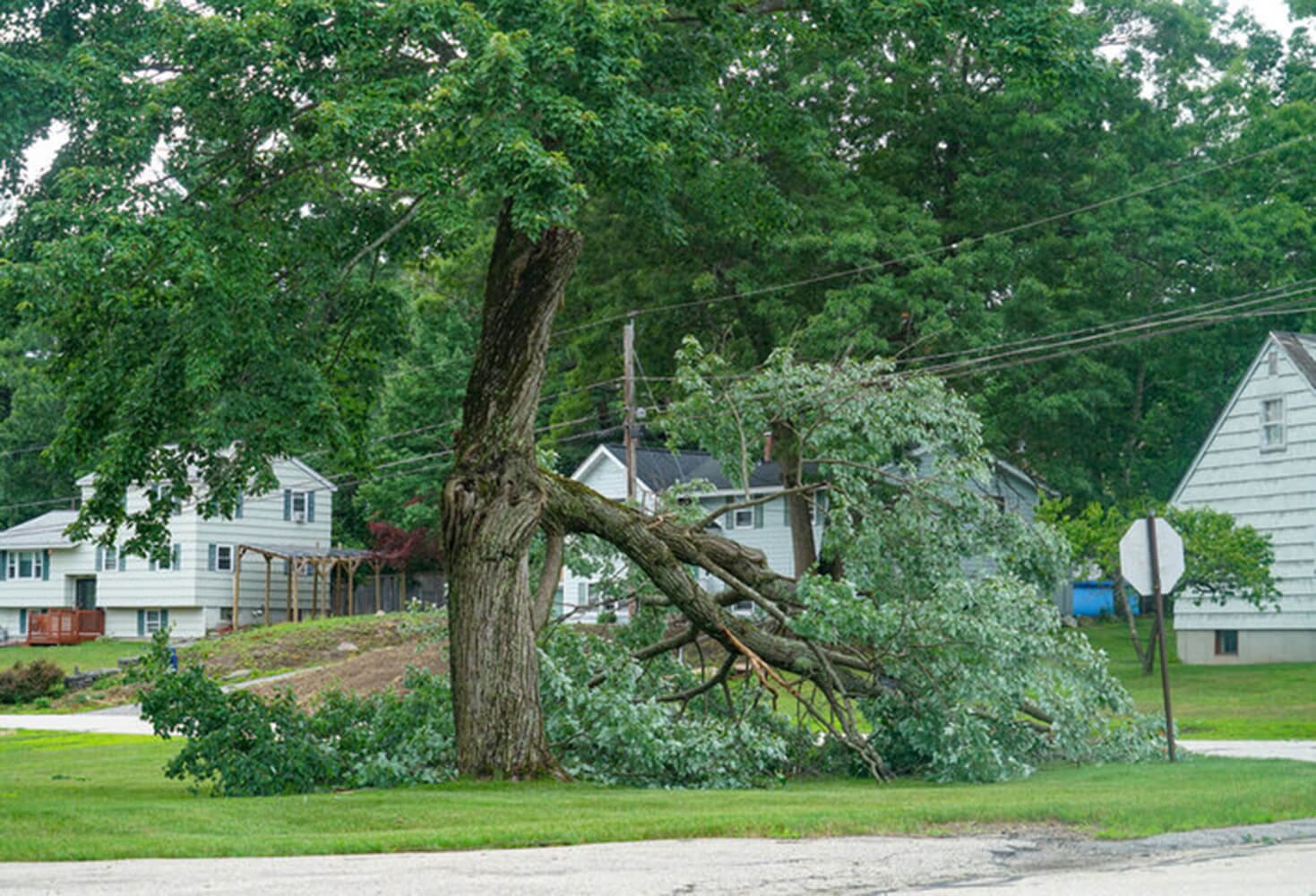
- Storm-damaged limbs that are hanging, split, or contacting structures are addressed. A branch that is one wind event away from coming through a roof does not wait for February.
- Trees in active structural decline do not follow a trimming calendar. A tree showing warning signs of structural failure needs a professional assessment before anyone picks up a saw.
How to Get on the Schedule Before the Spring Rush
Late winter is the best time to trim and also the busiest time for tree crews in Chicagoland. Those two facts create a real scheduling problem for homeowners who wait until the window arrives to start making calls.
Homeowners who call in February often find the schedule is already booked into April. By the time they get an appointment, the primary window has passed for many species, and they are either trimming in a less-than-ideal window or waiting another year.
The practical move is to call in fall or early winter, get an assessment scheduled, and lock in a late January or early February appointment before the backlog builds. That approach costs nothing extra and guarantees access to the best window.
A property with multiple tree species also benefits from a single assessment visit that produces a sequenced plan. Oaks, maples, and ornamental trees do not all share the same trimming window. For ornamental trees and shrubs, ornamental pruning follows different timing rules than shade trees and should be planned separately. A property that has both needs a plan that accounts for each rather than one blanket appointment that serves some trees well and others poorly.
Late Winter Is the Window — Plan for It Now
For most trees in Oak Park, late winter is the trimming window. It protects the tree, gives the crew the clearest working conditions, and sets the tree up for a strong growing season. The homeowner who plans ahead gets the appointment they want and the trees get the timing they need. The homeowner who waits until spring often gets neither.
If you have trees that need attention, now is the right time to get an assessment on the calendar. We serve Oak Park and the surrounding Cook and DuPage County area and are ready to take a look at what you have. Contact us to schedule your trimming assessment and get on the schedule before the rush.