
What Happens to the Stump After Tree Removal?
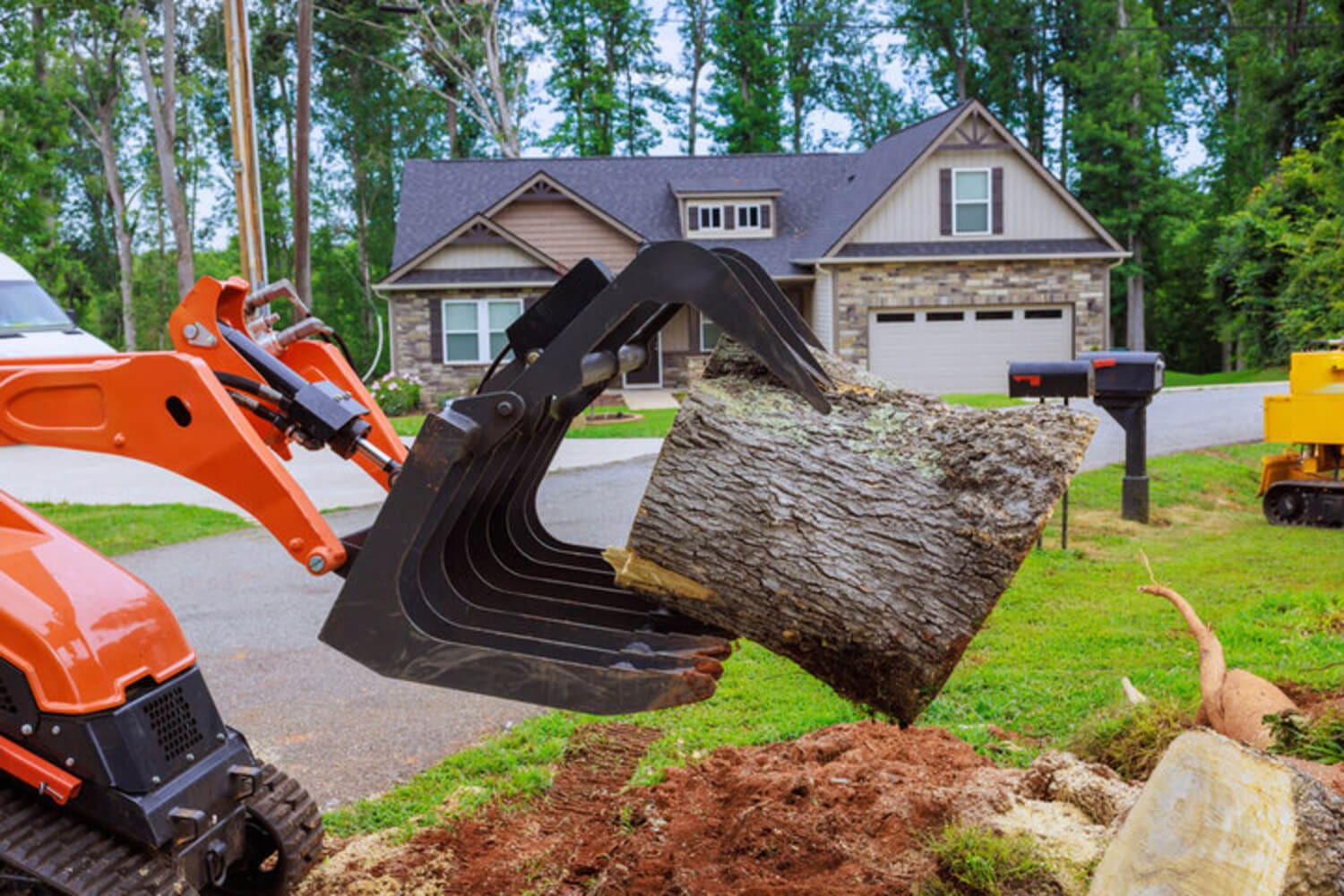
If you have recently had a tree removed, or are about to, you may be wondering what happens to the stump after tree removal. Most homeowners assume the crew handles it. They watch the trunk come down in sections, the branches get fed into the chipper, and the yard get swept clean. Then the crew packs up. The stump is still there.
Tree removal and stump removal are two separate things. The crew takes the tree. The stump stays in the ground unless you specifically schedule stump grinding. Most homeowners do not find this out until the job is done. If you want to understand the full picture of what a professional removal involves and what decisions you face before the crew arrives, that is worth knowing before work begins.
This blog covers what happens to the stump after tree removal, what your options are, and what most Oak Park homeowners choose to do about it.
Tree Removal Does Not Include the Stump by Default
The crew removes the tree. That means the trunk sections, the limbs, and the debris. The stump and the root system stay in the ground. Stump grinding is a separate service with its own equipment, its own scheduling, and its own appointment. It does not happen automatically as part of a tree removal job.
This surprises more homeowners than you might expect. The yard looks clean after a removal. Everything is gone except the stump sitting at ground level where the tree stood. That stump is not going anywhere without a separate service call.
If you are still in the planning stage, you have a real advantage. Asking about stump grinding at estimate time means:
- One crew visit instead of two
- Equipment already on site and staged
- No gap between removal and grinding while the yard is still disrupted
- No chance of the area growing back in around the stump before it gets addressed
Once the crew leaves and the yard settles, scheduling becomes a separate effort entirely.
What a Stump Becomes When It Is Left in the Ground
Leaving the stump is a choice some homeowners make deliberately. Before making that call, it is worth understanding what a stump actually does over time.
Decay and the Timeline
Once a tree comes down, the stump and root system begin a slow decomposition process. For most hardwood trees common across Oak Park, oaks, maples and elms included, full decomposition takes a decade or more. Some large stumps take significantly longer depending on species and size.
The process does not happen quietly. In the first year or two after removal, the stump softens and discolors. Bark separates from the wood. The surface turns spongy. The stump looks largely intact from a distance but the interior has already started breaking down. That active deterioration continues for years before the wood disappears.
Pests and Fungal Growth
A decaying stump becomes habitat. The insects that move into rotting wood include:
- Termites
- Carpenter ants
- Wood-boring beetles
None of these stay contained to the stump. They spread to nearby fences, structures, and other trees. In Oak Park residential lots where a garage, a fence, and a neighbor’s property sit within feet of each other, a pest-harboring stump is not just a yard problem. It is a property risk.
Fungal growth follows the same pattern. Mushrooms and shelf fungi appear on decaying stumps as the wood breaks down. Some fungal species spread through the root system into the surrounding soil. The stump becomes a source, not just a symptom.
Resprouting
Many tree species common in the Chicagoland area resprout aggressively from a cut stump. Elms, cottonwoods, and certain maples send up new shoots from the stump or the root system after removal. These shoots do not grow into healthy replacement trees. They drain the remaining root energy and produce multiple weedy stems that require repeated cutting to manage. Left alone, resprouts grow several feet in a single season.
What to Do with the Stump After Tree Removal
Most homeowners assume the only question is whether to grind the stump or not. The full option set is actually three choices, and understanding what each involves changes how most people decide.
Leave It and Let It Rot
This option carries the lowest upfront effort but the most ongoing consequences. The decay, pest attraction, fungal growth, and resprouting described above all apply. The stump sits in the yard for a decade or more while those problems accumulate.
Leaving the stump makes sense in very limited situations: a stump in a back corner of a large property, well away from structures, with no plans to use the space. For most Oak Park residential lots, leaving the stump trades short-term convenience for years of maintenance and property risk.
Full Stump and Root Extraction
Full extraction removes both the stump and the root system using heavy excavation equipment. It is the most thorough option available and leaves no roots underground.
It is also the most disruptive. Expect:
- Significant excavation and a large hole left behind
- Major ground disturbance requiring filling and grading
- Higher cost and longer project time than stump grinding
Full extraction makes sense when the homeowner has specific plans requiring a completely clear root zone, such as new construction, major hardscaping, or clearing a lot where underground roots would interfere directly. For typical residential situations in Oak Park, it is not the standard recommendation.
Stump Grinding
Stump grinding is the most practical solution for the majority of Oak Park homeowners. A stump grinder chips the stump down below grade and delivers four specific outcomes:
- Eliminates the above-ground stump
- Stops resprouting from the stump itself
- Removes the visible source of decay and pest habitat
- Leaves the yard in a condition that accepts topsoil and new grass
The roots stay underground and decompose naturally over time.
What Stump Grinding Actually Involves
A stump grinder uses a rotating cutting wheel to chip the stump into wood shavings below the surface of the ground. The crew works the machine across the entire stump until it reaches the target depth, typically six to twelve inches below grade. That depth allows the area to accept topsoil and grass seed or other ground cover without the stump interfering.
The grinding produces a pile of wood chips at the surface. You have three options for what happens to them:
- Rake them back into the hole as fill
- Use them as mulch elsewhere in the yard
- Have the crew haul them away
Establish your preference before the crew starts. Once the chips are processed, that decision is made.
The yard will show ground disturbance at the stump site after grinding. A depression remains where the stump was. Fill it with topsoil and reseed if you want a level lawn. This is a normal part of the process, not a problem with the service.
What Happens to the Roots After Stump Grinding
The roots stay in the ground after stump grinding. The process removes the stump, not the root system. Once grinding severs the connection between the stump and the roots, the roots lose their energy source. They stop growing and begin to decompose naturally.
Decomposition timelines vary by species and root size. For large hardwood trees, the process takes several years. It requires no action from you. The roots break down underground without disrupting the surface.
Resprouting from the root system is possible for certain species even after grinding. If it happens, cut the sprouts as they appear. They diminish over time as the remaining root energy depletes.
Plan Stump Grinding at the Same Time as Your Removal
Scheduling stump grinding alongside tree removal is the most efficient approach. The crew already has equipment on site. The stump sits exposed and clearly accessible. The yard is already disrupted from the removal. There is no better time to handle both in one visit.
When homeowners skip stump grinding at removal and call back later, the situation has changed in ways that complicate the job:
- The stump has begun to decay and may have attracted pests
- The yard has grown back in around the stump
- The crew mobilizes separately for a job that could have run alongside the original work
A summer stump gathers pests quickly. A winter stump can be harder to access depending on ground conditions and freeze depth.
Ask about stump grinding during the estimate conversation, before any work begins. If you are still weighing whether the tree needs to come down at all, understanding the warning signs that push a tree into removal territory helps you factor the full picture in from the start, including what happens to the stump once that decision gets made. Our guide to the seven warning signs a tree needs to come down covers those in full.
Get a Free Estimate for Stump Grinding in Oak Park
The stump does not disappear on its own in any useful timeframe. For most Oak Park homeowners, grinding is the right call. It removes the hazard, stops resprouting, eliminates the pest habitat, and gives you back a usable yard without years of waiting.
Whether the tree is already down or the removal is still being planned, now is the right time to get stump grinding on the schedule. We serve Oak Park and the surrounding Cook and DuPage County area. Contact us today to request a free estimate and get everything handled in one visit.